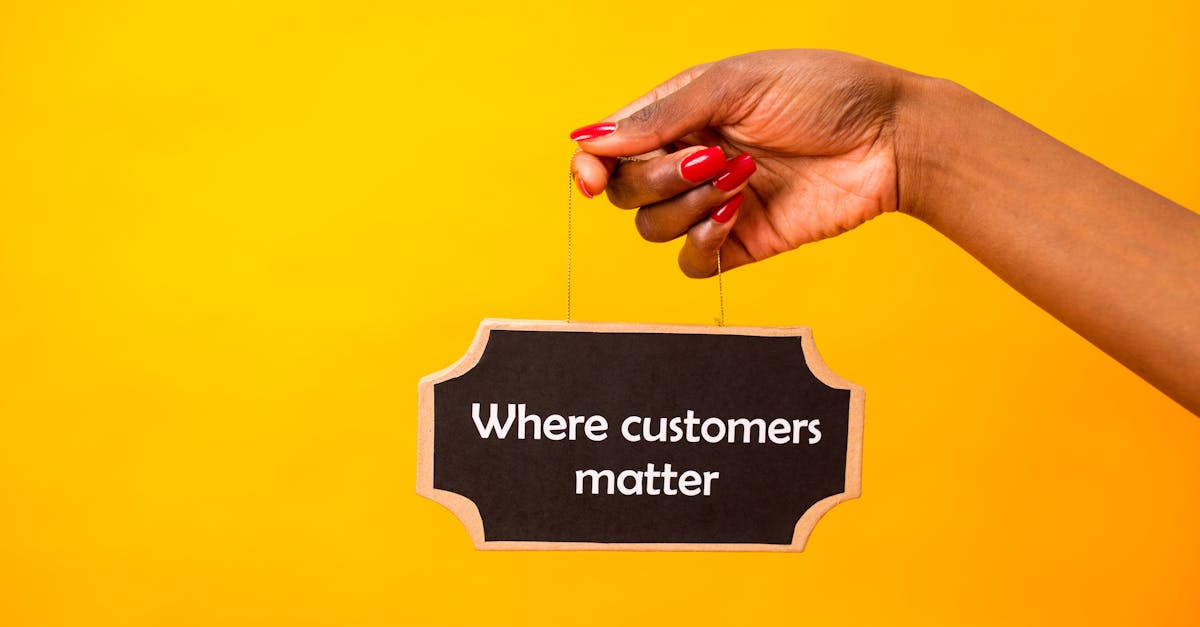
How To Improve Customer Engagement Through Marketing
Think of your favorite local coffee shop. Why do you go there? Is it just for the caffeine, or is it because the barista knows your name, remembers your order, and makes you feel like part of the family? That is customer engagement in a nutshell. It is the invisible string that ties your customers to your brand, turning one-time buyers into lifelong advocates. In a digital world where attention is the scarcest resource, engagement is the only currency that truly matters.
Understanding the Psychology of Customer Engagement
Engagement is not about how many clicks you get; it is about how much your audience cares. Human beings are biologically wired for connection. When a brand treats a customer like a number, the relationship remains transactional. When a brand speaks to a human being, the relationship becomes emotional. You need to understand that your customers are looking for value, validation, and a sense of belonging. If your marketing does not trigger a feeling, it is simply noise.
Leveraging Data to Personalize Every Interaction
If you try to talk to everyone, you end up talking to no one. Data is your roadmap to relevance. By analyzing behavioral data, purchase history, and browsing patterns, you can stop guessing and start knowing. Imagine sending a personalized offer for a product someone viewed but did not buy. That is not spam; that is being helpful. Use your CRM to segment your audience so that your messages hit the right person at the right time.
Content Marketing as a Bridge
Content is the fuel that keeps the engine of engagement running. But I am not talking about filler blog posts. I am talking about solving real problems. Your content should act as a bridge between a customer’s pain point and your solution. Whether it is an educational video series, a deep dive whitepaper, or a quick how-to guide, the goal remains the same: provide value first, ask for business second.
Social Media Dynamics: More Than Just Posting
Social media is a cocktail party, not a megaphone. Many brands fall into the trap of broadcasting their advertisements. Instead, you should be hosting conversations. Reply to comments, share user generated content, and show the human side of your team behind the screen. When a follower asks a question, treat it as a golden opportunity to start a relationship.
The Art of Email Segmentation
Email is far from dead; it is just evolving. If your emails are generic, they are going straight to the trash folder. Break your list into segments based on interest, geography, or stage in the buying cycle. A customer who just signed up for your newsletter needs different content than a loyal customer of three years. Treat their inbox like a private conversation, not a billboard.
Interactive Content: Turning Passive into Active
Passive reading is easy to ignore. Active participation is hard to forget. Incorporating quizzes, polls, calculators, and augmented reality tools changes the game. When a customer spends time interacting with a tool on your site, they are investing their effort into your brand. That investment creates a mental bookmark that makes them significantly more likely to remember you later.
Building Community Through Loyalty Programs
Loyalty is not just about points and discounts. It is about rewarding behavior and fostering a sense of belonging. A good loyalty program makes the customer feel like an insider. Whether it is early access to new products or a private Facebook group, you want your customers to feel that being a part of your brand makes their lives slightly better.
The Power of an Omnichannel Approach
Your customer does not see your brand as separate departments. To them, the website, the store, and the customer support team are all one entity. An omnichannel approach ensures that the experience is seamless. If a customer chats with a bot on your site and later calls your support line, the representative should know exactly what happened in that chat. Consistency is the foundation of trust.
Listening to the Voice of the Customer
Are you actually listening, or are you just waiting for your turn to speak? Surveys, feedback forms, and reviews are treasure troves of information. When you fix a problem a customer points out, tell them. Saying, “We heard you, and we changed this,” is one of the most powerful ways to build long-term loyalty and show that you genuinely care about their experience.
Building an Emotional Connection
People buy with their hearts and justify with their heads. To improve engagement, you need to align your marketing with values that resonate with your target audience. Why do you do what you do? Sharing your brand mission and stories about the people behind your products creates a layer of humanity that competitors simply cannot replicate.
AI and Automation: Enhancing, Not Replacing
Use automation for the heavy lifting so that you can focus on the human stuff. Automated welcome sequences and abandoned cart emails are essential, but ensure the tone remains warm and conversational. Use AI to analyze sentiment, but use human intuition to craft the response. The goal is efficiency without feeling robotic.
Measuring Success: Key Performance Indicators
How do you know if your engagement strategy is working? Look beyond simple vanity metrics like vanity likes. Focus on metrics that matter: retention rates, repeat purchase frequency, average session duration, and customer sentiment scores. These numbers tell the story of whether people are actually sticking around and finding value in your brand.
Avoiding Common Pitfalls in Engagement Strategies
The biggest pitfall is inconsistency. If you start a high energy social media campaign and then go silent for three months, you lose the trust you built. Another mistake is overdoing the sales pitch. Always maintain the 80/20 rule: 80 percent of your content should inform, entertain, or inspire, and only 20 percent should directly sell.
Future Trends to Watch in 2025 and Beyond
The future of engagement lies in hyper-personalization and community led growth. As privacy regulations tighten, first party data will become your most valuable asset. Focus on building platforms where customers can engage with each other, not just with you. Brands that foster genuine communities will be the ones that thrive in an increasingly fragmented digital landscape.
Conclusion
Improving customer engagement is a marathon, not a sprint. It requires patience, empathy, and a willingness to evolve alongside your audience. By focusing on data-driven personalization, fostering genuine community, and maintaining an omnichannel presence, you turn your marketing from a series of advertisements into a series of meaningful interactions. Remember, behind every metric is a person who has choices. Give them a reason to choose you, and more importantly, give them a reason to stay.
Frequently Asked Questions
1. How quickly should I expect to see improvements in engagement?
Engagement is a cumulative process. You might see small wins within weeks, but building a loyal, highly engaged community usually takes months of consistent effort and value delivery.
2. Is high engagement more important than high reach?
Yes. Having ten thousand followers who do not care about your brand is far less valuable than having one thousand followers who engage with, share, and buy your products. Quality will always beat quantity.
3. How do I balance automation with a human touch?
Use automation to handle administrative tasks and routine communication. Use the time saved to personally respond to comments, create original content, and interact with your audience on a human level.
4. What is the most effective type of interactive content?
It depends on your audience, but quizzes and calculators are generally very effective because they provide immediate value to the user while helping you gather zero party data about their preferences.
5. Should I respond to negative feedback publicly?
Absolutely. Responding to negative feedback with empathy and a solution shows potential customers that you are accountable and that you care. It turns a potential disaster into a display of excellent customer service.