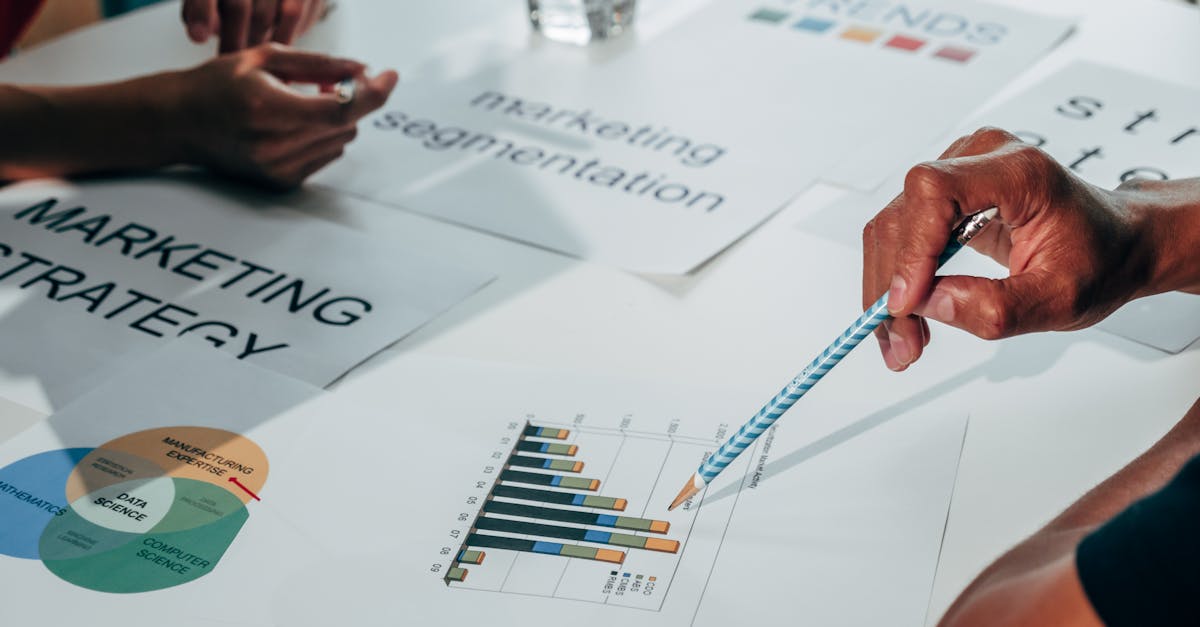
Let’s be honest, the world of marketing can feel like shouting into a hurricane sometimes. You pour your heart, soul, and a significant chunk of your budget into campaigns, hoping that *someone* out there will hear you. But what if I told you there’s a way to make that “someone” not just a random passerby, but a genuinely interested prospect, a potential loyal customer, or even an enthusiastic advocate for your brand? That’s the magic of targeted marketing, and frankly, it’s less of a secret weapon and more of a fundamental shift in how smart businesses operate today. It’s about moving away from the scattergun approach and embracing laser focus. Think of it like this: instead of trying to catch every fish in the ocean with a giant net, you’re using a finely tuned lure to attract the exact species you want, where they are, and when they’re hungry. The results? Significantly more efficient, incredibly effective, and dare I say, a lot more enjoyable.
Cutting Through the Noise: The Modern Marketing Landscape
We’re drowning in information. Every day, consumers are bombarded with thousands of marketing messages across countless platforms – from the moment they wake up and check their phones, to the ads they scroll past online, to the commercials they see on their favorite shows. This constant barrage has made consumers incredibly adept at tuning out anything that doesn’t immediately resonate with them. Generic, one size fits all marketing? It’s practically invisible. It’s like trying to have a deep, meaningful conversation at a rock concert; it’s just not the right environment. Targeted marketing, on the other hand, cuts through this cacophony by speaking directly to the needs, desires, and pain points of a specific group of people. It’s about relevance. When you show someone something that feels like it was made *just for them*, their attention is piqued, their interest is captured, and the likelihood of them engaging with your message skyrockets. It’s the difference between a whisper in a quiet library and a thunderclap in a silent desert; the latter, if relevant, will command attention.
The ROI Revolution: Smarter Spending, Bigger Gains
Let’s talk brass tacks. For any business, the bottom line is king. You need your marketing efforts to translate into tangible results, and that means a healthy return on your investment (ROI). When you’re not targeting, you’re essentially wasting resources on people who will never become customers. You’re paying to reach the wrong audience, showing them messages that don’t apply, and hoping for the best. This is like hiring a world-class chef and asking them to cook for a room full of people who only eat plain crackers. Targeted marketing flips this script. By focusing your efforts on segments of the market most likely to convert, you dramatically reduce wasted ad spend. Every dollar you allocate is going towards reaching warm leads, individuals who have demonstrated an interest or fit the profile of your ideal customer. This precision means higher conversion rates, more qualified leads, and ultimately, a significantly better ROI. It’s not just about spending less; it’s about spending *smarter* to earn more.
Knowing Your Audience: The Bedrock of Targeted Campaigns
Before you can effectively target anyone, you absolutely, positively need to know *who* you’re trying to reach. This isn’t a suggestion; it’s the non-negotiable foundation upon which all successful targeted marketing campaigns are built. Trying to market without deeply understanding your audience is like trying to navigate a complex maze blindfolded. You might stumble your way through, but the chances of getting lost are astronomically high. This means going beyond surface-level assumptions and digging deep into the minds and behaviors of your potential customers. What makes them tick? What problems are they trying to solve? What aspirations do they hold? When you have this profound understanding, your marketing messages stop being mere advertisements and start becoming valuable solutions to real people’s needs. It transforms your communication from a broadcast into a genuine conversation.
Beyond Demographics: Uncovering Psychographics and Behavior
Demographics – things like age, gender, location, and income – are a starting point, a basic sketch. But to truly understand your audience, you need to go much deeper. You need to delve into their psychographics and behaviors. Psychographics are all about their attitudes, values, interests, lifestyles, and opinions. What do they believe in? What are their hobbies? What keeps them up at night worrying? Behavior is equally crucial: What are their purchasing habits? How do they interact with brands online? What content do they consume? Are they early adopters or more cautious? For instance, two people might be the same age and live in the same city, but one might be an eco-conscious vegan who shops at farmers’ markets, while the other is a thrill-seeking adrenaline junkie who loves extreme sports and buys gear online. Their marketing messages need to be worlds apart. By understanding these nuanced aspects, you can craft communications that resonate on an emotional level, not just an intellectual one.
Crafting the Perfect Buyer Persona: Your Ideal Customer Blueprint
So, how do you bring all this deep audience knowledge together in a tangible way? You create buyer personas. Think of a buyer persona as a semi fictional representation of your ideal customer based on market research and real data about your existing customers. It’s not just a list of traits; it’s a fleshed out character with a name, a backstory, goals, challenges, and motivations. This makes your target audience feel real, allowing you to empathize with them and craft messaging that truly speaks to their situation. It’s like creating a character for a novel; the more detailed and believable they are, the easier it is to write compelling interactions for them.
The Anatomy of a Persona: What to Include
When building your buyer persona, don’t hold back on the details. Start with the basics: name, job title, industry (especially important for B2B), and demographic information. Then, really flesh it out. What are their primary goals and objectives, both professionally and personally? What are their biggest challenges and pain points that your product or service can address? What are their preferred communication channels? What are their objections to buying? What motivates their purchase decisions? You can even include fictional quotes that represent their typical way of thinking or speaking. The more detailed you are, the more useful your persona becomes as a guiding light for all your marketing efforts.
Persona Validation: Ensuring Accuracy
Creating a persona is one thing, but ensuring it accurately reflects reality is another. You don’t want to build your entire marketing strategy around a fictional character who bears no resemblance to your actual customers. This is where validation comes in. Interview your existing customers! Ask them about their goals, challenges, and how they found you. Use your website analytics to understand their behavior. Look at social media insights. If you have a sales team, talk to them; they’re on the front lines and have invaluable insights into what prospects are saying and what their needs are. Regularly review and update your personas as you learn more about your audience and as the market evolves.
Data is Your Data: Leveraging Insights for Precision
In today’s digital age, data is currency, and for marketers aiming for precision, it’s a veritable gold mine. Gone are the days of guesswork and intuition being the sole drivers of marketing strategy. Now, we have the ability to understand our audience and market performance with unprecedented clarity. But like any treasure, data needs to be unearthed, refined, and intelligently applied. It’s not enough to just collect information; you need to know how to interpret it, how to wield it, and how to ensure its accuracy. Think of data as the ingredients for a gourmet meal; without understanding how to select and combine them, you’ll end up with a culinary disaster.
First Party Data: Your Goldmine of Customer Knowledge
First party data is information you collect directly from your audience. This is arguably the most valuable type of data you can possess because it’s specific to *your* business and *your* customers. This includes data from website analytics (what pages they visit, how long they stay, what they click), CRM data (purchase history, customer service interactions, contact information), email engagement (opens, clicks, unsubscribes), survey responses, and even direct feedback from sales conversations. This data tells you who your existing customers are, what they like, what they buy, and how they interact with you. It’s the foundation for understanding your most loyal segments and for tailoring future interactions to encourage repeat business and upsells. It’s like having a detailed diary of every customer’s journey with your brand.
Third Party Data: Expanding Your Reach Strategically
While first party data is king, third party data can be your loyal knight, helping you expand your reach and discover new audiences. Third party data is information aggregated from various sources, often by large data brokers. This can include demographic, psychographic, and behavioral data that isn’t directly tied to your own customers. For example, you might use third party data to identify potential customers who share similar characteristics with your best existing customers, even if they haven’t interacted with your brand yet. This is invaluable for prospecting and for identifying new market segments you might not have otherwise considered. However, it’s crucial to use third party data judiciously and ethically, ensuring it aligns with your target personas and privacy regulations. Think of it as a way to explore neighboring territories after you’ve thoroughly mapped your own kingdom.
Analytics Tools: The Lens Through Which You See
Collecting data is only half the battle; you need the right tools to make sense of it all. Analytics platforms are your magnifying glass, your telescope, your microscope – they provide the critical lens through which you can observe, measure, and interpret your data. Tools like Google Analytics are indispensable for understanding website traffic, user behavior, and conversion tracking. Social media analytics dashboards offer insights into audience engagement and content performance. Your CRM system provides a deep dive into customer relationships and sales pipelines. Marketing automation platforms help you track email campaign effectiveness and lead nurturing. Without these tools, your data remains a jumbled mess of numbers. With them, you can identify trends, pinpoint opportunities, and measure the success of your targeted campaigns with precision.
Segmenting Your Market: Dividing to Conquer
Once you’ve gathered and analyzed your data, and built your buyer personas, the next logical step is to segment your market. Think of your entire potential customer base as a vast, diverse ocean. Trying to appeal to everyone at once is like casting a net hoping to catch every type of marine life. It’s inefficient and rarely yields the best results. Market segmentation is the process of dividing that vast ocean into smaller, more manageable lakes, rivers, and coves, each with its own distinct characteristics and inhabitants. By understanding these distinct groups, you can tailor your marketing messages and strategies to resonate powerfully with each specific segment. It’s the art of speaking directly to different needs with different voices, ensuring your message lands perfectly.
Behavioral Segmentation: What They Do Matters Most
This is where you group people based on their actions and interactions with your brand or product. Have they purchased from you before? Are they frequent buyers or one time shoppers? Do they engage with your content regularly? Are they loyal advocates or new prospects? Behavioral segmentation allows you to personalize your marketing based on what someone *actually does*. For example, a customer who frequently buys a specific product might receive an email offering a discount on that item or suggesting complementary products. Someone who has abandoned their cart might receive a reminder email with a compelling incentive to complete their purchase. This level of personalization, driven by observed behavior, is incredibly effective because it directly addresses their current stage and demonstrated interest.
Geographic Segmentation: Where They Are Shapes Their Needs
This is perhaps the most intuitive form of segmentation. It involves dividing your market based on location, whether it’s at a country, state, city, or even neighborhood level. Why does this matter? Because people’s needs, preferences, and even purchasing power can vary significantly based on where they live. For example, a retail store might run different promotions in a cold climate versus a warm climate. A business selling agricultural equipment will have a very different target audience in rural farming communities compared to urban centers. Geographic segmentation also plays a huge role in localized advertising, such as local SEO and geographically targeted social media ads, ensuring your message reaches people in the areas you serve or wish to serve.
Firmographic Segmentation: For the B2B Arena
For businesses operating in the business to business (B2B) space, firmographic segmentation is your equivalent of demographic segmentation. Instead of looking at individual consumers, you’re looking at characteristics of the companies you want to do business with. This includes factors like industry, company size (revenue, number of employees), location, company age, and whether they are publicly or privately held. For example, a software company might target large enterprise clients in the finance sector, while another might focus on small to medium sized businesses in the healthcare industry. Understanding these firmographic details allows B2B marketers to tailor their messaging, sales pitches, and product offerings to the specific needs and challenges of different types of organizations.
Crafting Your Message: Speaking Their Language
You’ve done the heavy lifting: you know who you’re talking to, you’ve gathered your data, and you’ve segmented your audience. Now comes the truly creative and impactful part: crafting the message itself. This is where you translate all your insights into words, visuals, and offers that will grab attention, build connection, and drive action. It’s not about shouting louder; it’s about speaking more clearly and directly to the heart of your audience’s needs and desires. Think of it as a skilled translator at a diplomatic summit; they ensure the nuances and intent of each speaker are perfectly understood by the other, fostering genuine connection.
Personalization Power: Beyond Just Their Name
We’ve all seen those emails that start with “Hi [Name],” and while that’s a basic form of personalization, true personalization goes much, much deeper. It’s about tailoring the *entire message* to the individual or the segment you’re addressing. This means referencing their past purchases, acknowledging their interests, addressing their specific pain points, and offering solutions that are relevant to their unique situation. For example, if you know a customer is interested in hiking gear, your marketing emails shouldn’t be about camping tents if they’ve never shown interest in that. Instead, they should highlight new hiking boot arrivals or share trail guides. Personalization makes your audience feel seen and understood, transforming a generic marketing blast into a valuable, helpful communication. It’s the difference between getting a form letter and receiving a handwritten note.
Channel Selection: Meeting Them Where They Are
The most brilliant message in the world is useless if it never reaches its intended audience. This is where smart channel selection comes into play. Different segments of your audience will spend their time on different platforms. Are your ideal customers avid LinkedIn users, or are they more active on Instagram? Do they prefer email newsletters, or do they respond best to SMS alerts? Do they listen to podcasts, or do they rely on traditional media? By understanding your audience’s preferred channels, you can strategically place your marketing messages where they are most likely to be seen and engaged with. This ensures your valuable content isn’t lost in a sea of irrelevant noise. It’s about being present and impactful in their daily digital (or even physical) lives.
Testing and Optimization: The Never Ending Pursuit of Better
You’ve launched your targeted campaign, you’re seeing some engagement, and that’s fantastic! But in the dynamic world of marketing, launching is rarely the end of the journey. It’s actually just the beginning of a continuous loop of learning, refining, and improving. The pursuit of perfectly targeted marketing is an iterative process, much like a sculptor continually chipping away at marble to reveal the perfect form. You can’t just set it and forget it; you need to actively monitor, analyze, and adapt your strategies based on real-world performance.
A/B Testing: The Scientific Method of Marketing
One of the most powerful tools in your optimization arsenal is A/B testing. This is where you create two slightly different versions of a marketing element – say, two different email subject lines, two different ad creatives, or two different calls to action on a landing page – and show each version to a segment of your audience. Then, you measure which version performs better based on your key metrics (e.g., click-through rates, conversion rates, engagement). By systematically testing different elements, you can scientifically determine what resonates most effectively with your target audience. It’s like running controlled experiments to discover the optimal recipe for engagement and conversion.
Iterative Improvement: Small Changes, Big Impact
Optimization isn’t about massive overhauls; it’s often about making small, incremental changes that, over time, lead to significant improvements. Did a particular call to action have a slightly lower click-through rate than expected? Test a different wording. Is your landing page conversion rate plateauing? Try a different headline or a new visual. Is a specific ad creative underperforming? Swap it out for a fresh approach. By continuously analyzing your campaign data and making these small, data-driven adjustments, you can steadily enhance the effectiveness of your marketing. This ongoing refinement ensures that your targeted efforts remain sharp, relevant, and deliver increasingly impressive results. It’s the difference between maintaining a good strategy and evolving into a great one.
Conclusion: The Future is Targeted
In a world saturated with messages, the ability to make your marketing more targeted isn’t just a competitive advantage; it’s a necessity for survival and growth. By deeply understanding your audience, leveraging data intelligently, segmenting your market effectively, crafting personalized messages, and committing to continuous testing and optimization, you transform your marketing from a broadcast into a finely tuned dialogue. This precision not only yields better results and a higher ROI but also builds stronger, more meaningful connections with your customers. So, embrace the power of precision, and watch your marketing efforts transform from a shot in the dark into a direct hit, every single time.
Frequently Asked Questions (FAQs)
1. What is the biggest challenge in implementing targeted marketing?
The biggest challenge often lies in the quality and accessibility of data. Many businesses struggle with siloed data, inaccurate information, or a lack of the right tools and expertise to effectively collect, analyze, and act upon their data. Overcoming this requires a strategic approach to data management and investment in appropriate technologies and training.
2. How often should I update my buyer personas?
Buyer personas should be reviewed and updated at least annually, but more frequently if there are significant shifts in your market, industry, or customer base. Regular check-ins, perhaps quarterly, to see if they still accurately reflect your ideal customer are highly recommended.
3. Can small businesses effectively use targeted marketing without a huge budget?
Absolutely! Small businesses can leverage free or low-cost tools like Google Analytics, social media insights, and basic CRM systems to understand their audience. Focusing on niche segmentation and highly personalized, organic content can be incredibly effective without requiring massive ad spend.
4. What’s the difference between targeting and personalization?
Targeting is about identifying and reaching a specific group of people who are most likely to be interested in your offering. Personalization is about tailoring the message and experience *within* that target group to the individual. You target broadly, then personalize individually or within smaller sub segments.
5. How do I measure the success of my targeted marketing efforts?
Success is measured through key performance indicators (KPIs) relevant to your goals. These can include higher conversion rates, increased customer lifetime value, improved lead quality, better engagement metrics (click through rates, open rates), lower customer acquisition cost, and a higher overall return on investment (ROI) compared to untargeted campaigns.